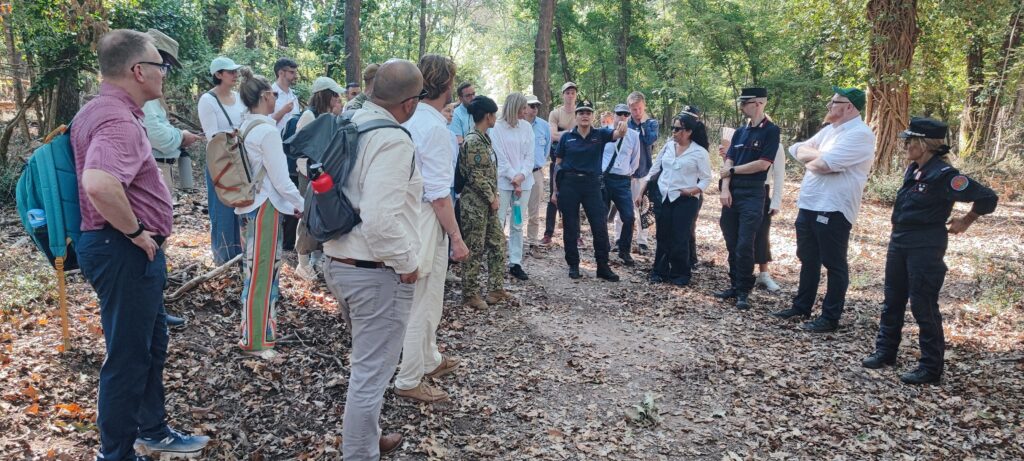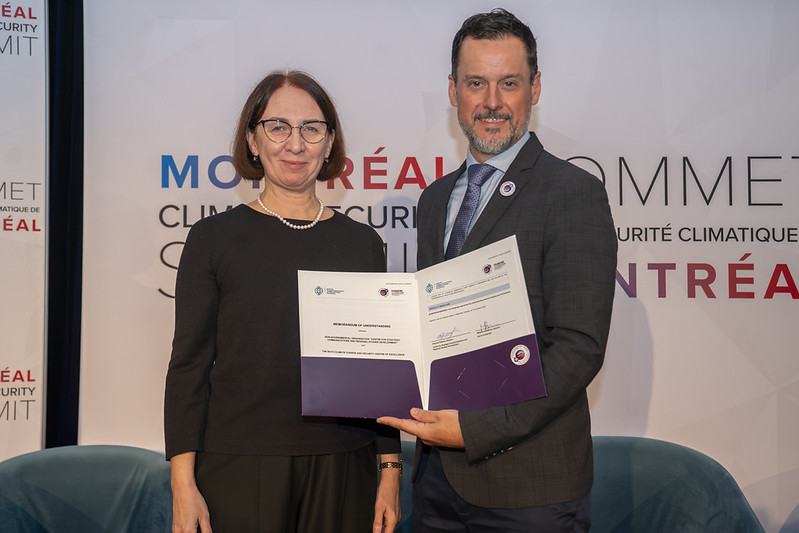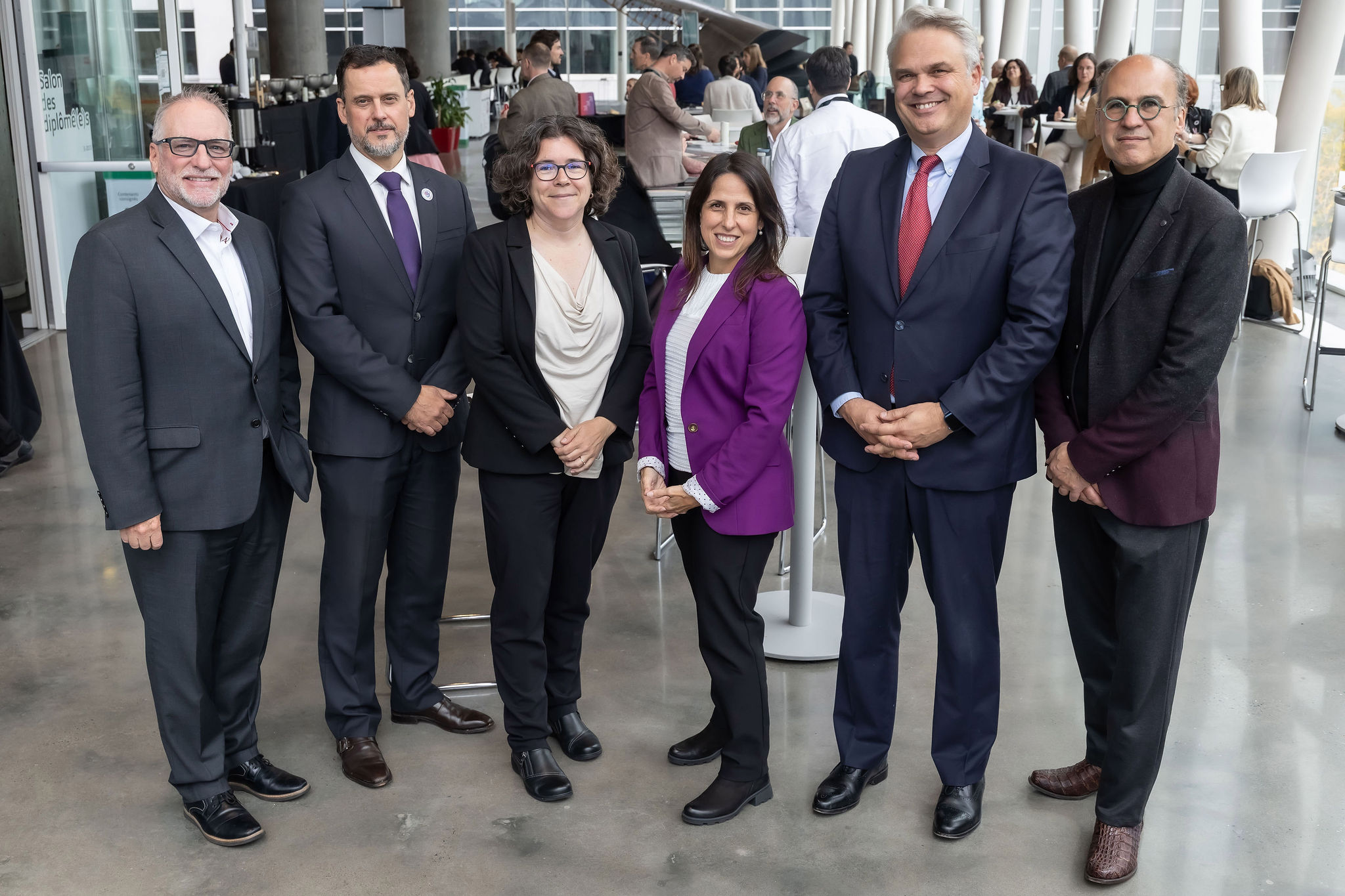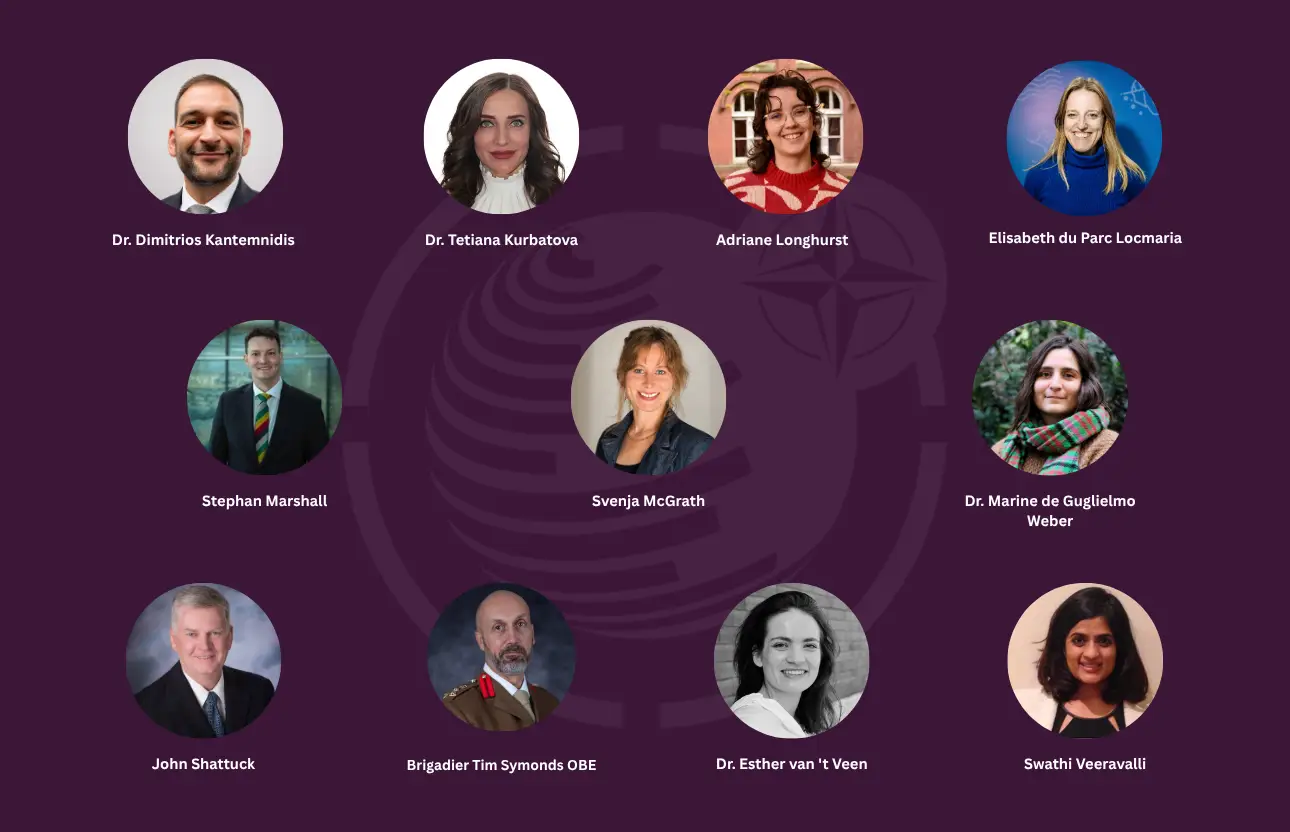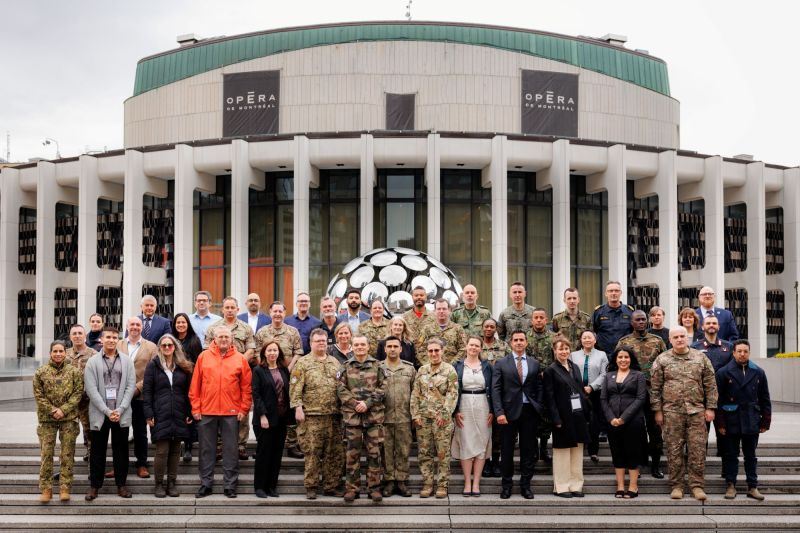
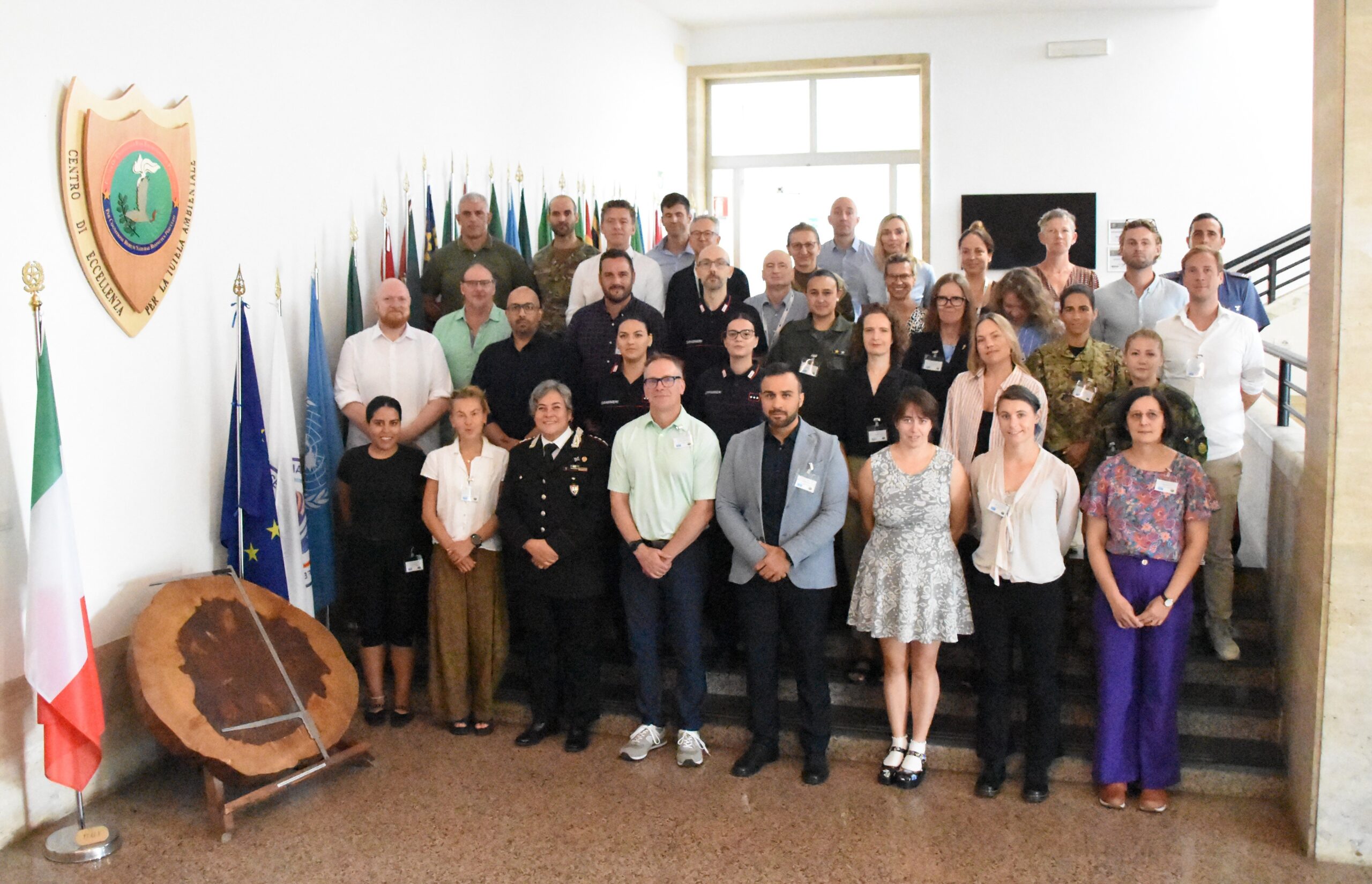
From Sept. 7 to 11 September ,2026, the NATO Climate Change and Security Centre of Excellence (CCASCOE), the Carabinieri Centre of Excellence for Environmental Protection (CoEEP) and the European Security and Defence College (ESDC) delivered the Climate Change & Security Advanced Course, focused on building climate-security decision-support competence for complex operational environments.
The course brought together experienced military and civilian practitioners, including planners, intelligence officers, policy advisers, logisticians and resilience experts. Its aim was not to turn participants into climate experts, but to help them integrate climate knowledge into their existing professional judgement.
“There is no shortage of information on climate change,” said Course Director Benedikt Brammer. “The harder question is what practitioners do with it: what it means for an operation, which dependencies may be affected, and what a decision-maker needs to know.”
Starting with the decision, not the climate
Throughout the week, one guiding question shaped the discussions: what does this mean for the decisions we have to make? It is relatively easy to explain that temperatures are rising or that some extreme events are becoming more likely or severe. It is much harder to decide when those developments become significant for a particular operation, infrastructure system or planning assumption.
Part of the challenge is that practitioners usually experience climate change through weather: a period of extreme heat, heavy rainfall, drought or wildfire conditions. The individual event is weather; climate describes the changing background in which that event occurs. For operational planning, this distinction matters. The question is not whether every disruptive weather event can be attributed to climate change, but whether the conditions, probabilities and assumptions on which planning has traditionally relied are changing. A particularly hot summer can easily be treated as an exceptional summer, and a flood as a one-off flood-response problem. Each event makes sense on its own, while the broader shift in operating conditions behind it can go unnoticed.
For Armed Forces, recognizing that shift is a matter of readiness. Forces train, deploy and sustain operations in environments whose baseline is moving: heat affects the health and performance of personnel, strains equipment and limits training windows, while floods, drought and wildfire can disrupt bases, supply routes and the host-nation infrastructure that operations depend on. At the same time, militaries are increasingly called upon to support civil authorities during climate-related emergencies, drawing on the same personnel and assets needed for their core tasks. If each of these pressures is managed only as an isolated event, planning assumptions can quietly fall out of step with reality. Understanding the changing climate behind the weather allows commanders and planners to anticipate rather than react, adapt training and infrastructure in time, and protect operational effectiveness over the long term.
Scenario-based learning from day one
Rather than saving application for a final exercise, the course embedded it from the start. A single scenario, set in the fictional country of Monturia during Exercise RESILIENT PASSAGE 2030, ran through the entire week, with expert inputs feeding directly into group work.
Notably, the scenario did not begin with a disaster. The port, transport corridor and power grid were all functioning, with only early warning signs present. Participants had to decide which developments deserved attention while most systems still appeared to work. A central lesson emerged: open does not necessarily mean reliable. A road can stay open while journey times become unpredictable, and a grid can remain online while its operating margin narrows.
As heat, drought and wildfire interacted with infrastructure, logistics, host-nation support and military requirements, participants saw how an issue that first looked like a civil-protection matter quickly became relevant to almost every function.
Breaking down professional silos
Participants worked in Joint Climate-Security Advisory Groups (JCSAGs), combining expertise in intelligence, logistics, infrastructure, civil protection, political affairs and strategic communication. Each group had to produce one integrated judgement rather than a set of separate assessments, reflecting the reality that climate-related security risks do not follow organizational charts.
The course also challenged participants to question underlying planning assumptions, not only adjust procedures. If heat repeatedly disrupts an exercise, the answer may be to reconsider its timing rather than simply add mitigation measures.
Building judgement over time
Course products followed a progressive structure: identifying relevant factors, examining critical functions and dependencies, developing an integrated outlook, and delivering an advisory framework and final synthesis for senior decision-makers. Earlier judgements carried forward and were revised as new information arrived, mirroring real advisory work under uncertainty.
By the end of the week, group discussions had shifted from describing events to asking what they meant: when an issue becomes operationally significant, which indicators to watch, and when to advise action rather than continued monitoring. “Good analysis is not necessarily good advice,” the Course Director noted.
From individual to institutional learning
The course also highlighted a broader challenge. Individual participants can return with new insights, but organizations need ways to capture and use that learning in planning processes, doctrine, training standards and capability development.
CCASCOE will continue working with its partners to strengthen climate-security education and to support institutions in turning climate knowledge into better-informed decisions, stronger resilience and effective adaptation.