CCASCOE aims to be an internationally recognized hub of expertise on climate change and security for military and civilian experts and decision-makers.
We work with governmental and non-governmental organizations, think tanks, academia and industry to stimulate innovative solutions, encourage closer collaboration among NATO Allies and partners and across different types of organizations, gather and
streamline knowledge and expertise in one dedicated hub, and increase the awareness of decision-makers and the broader public on the pressing need of taking concrete actions to preserve Allied security.
To learn more about NATO-accredited Centres of Excellence, read the Centres of Excellence Catalogue for 2024.
CCASCOE’s efforts support the implementation of the NATO Climate Change and Security Action Plan and contribute to NATO’s overall military readiness, deterrence and defence posture. To achieve this, we work on four fronts:
If you are interested in supporting us in our mission, we will be pleased to hear from you. There are many ways that we can collaborate to increase our common security in the face of the challenges that will be brought by climate change and to mitigate our own impact.
Signing Ceremony for the CCASCOE at the 2023 NATO Vilnius Summit
Click through our pillars infographic below to discover how the CCASCOE addresses climate and security across awareness, adaptation, mitigation, and outreach.
The purpose of this publication is to celebrate the establishment of the NATO Climate Change and Security Centre of Excellence, highlighting its mission to advance understanding and action on climate-related security challenges.
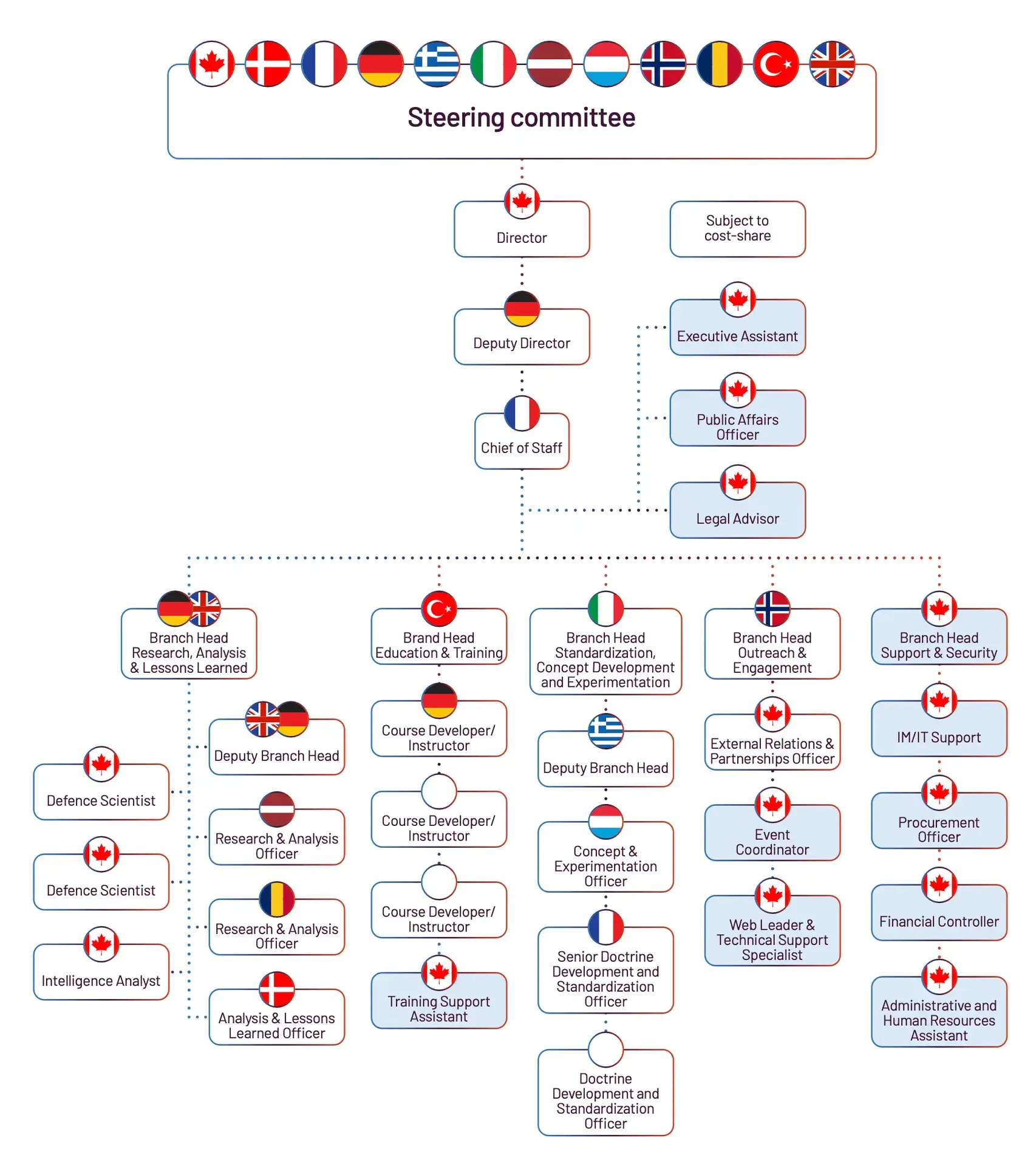
At the NATO Summit in Brussels in 2021, Allies adopted the NATO Climate Change and Security Action Plan, recognizing that climate change is one of the defining challenges of our times. In response to one of the recommendations of this Plan, 12 NATO Allies came together to establish the Climate Change and Security Centre of Excellence (CCASCOE). Canada, the framework nation, was joined in this effort by the sponsoring nations Denmark, France, Germany, Greece, Italy, Latvia, Luxembourg, Norway, Romania, Türkiye and the United Kingdom. Representatives of each nation signed the founding document at the NATO Summit in Vilnius in July 2023 and the Centre opened in Montreal, Quebec, in the fall of the same year. On 28 May 2024, CCASCOE was formally accreditated as a NATO Centre of Excellence, officially joining the family of 30 NATO Centres of Excellence across the Alliance.
Climate change will have severe impacts on Allied security and collective defence. It acts as a threat multiplier by increasing instability, geostrategic competition, insecurity and conflict. The resilience and efficiency of our military infrastructure and equipment and the way that we conduct operations will be affected by changes in climate that include extreme temperatures, changes in water acidity, air density, and Atlantic Meridional Overturning Circulation (AMOC), thawing permafrost, sea level rise, changes in precipitation patterns, and extreme weather events. In addition, drought, flood, soil erosion and loss of biodiversity already severyly impact populations in some regions of the world, particularly in the global south, and cause famine and loss of land and livelihoods and intensify forced migration. This insecurity can also increase social and political instability and create a breeding ground for terrorism.
For more information about our work or if you want to collaborate, please contact us.
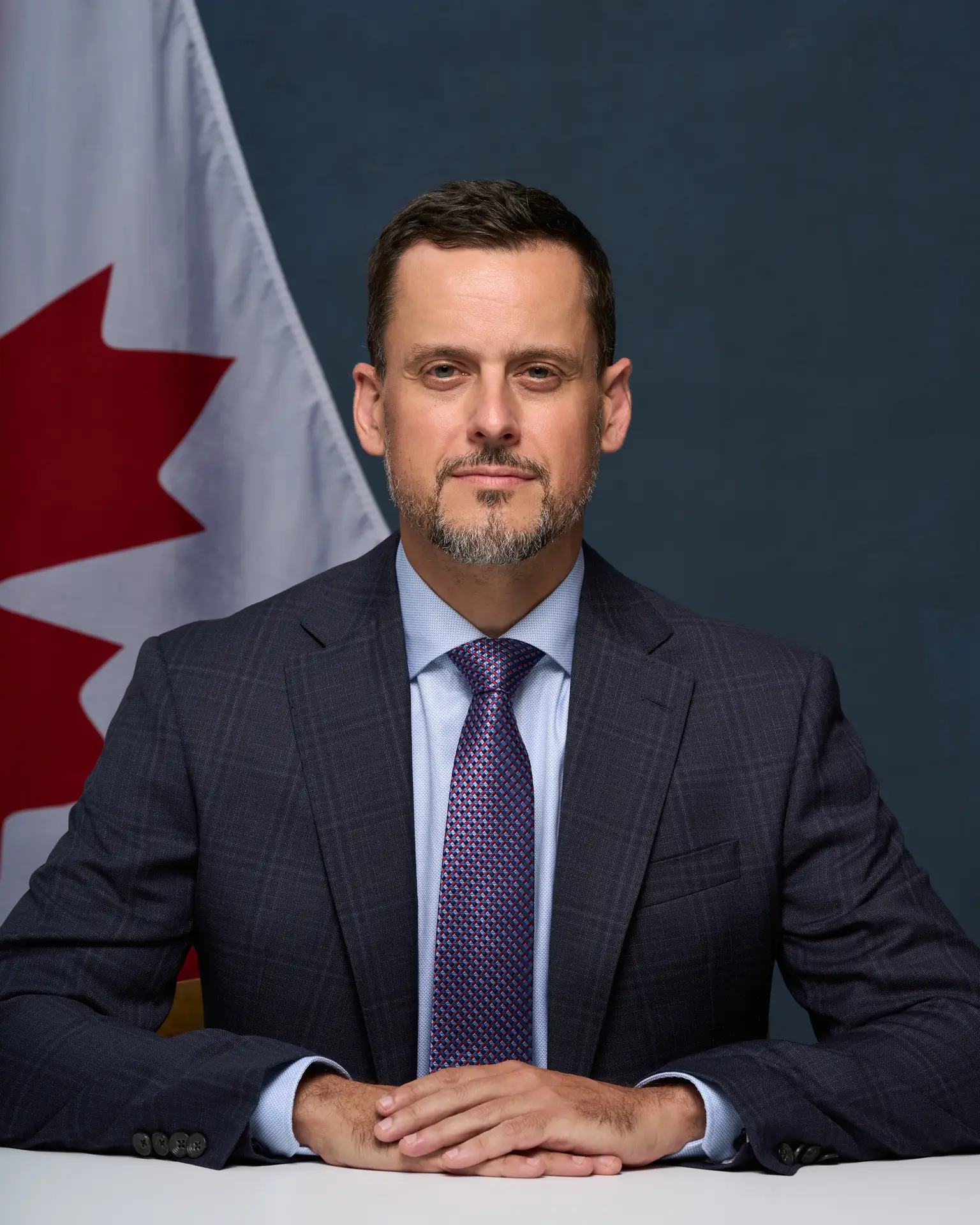
Mr. Mathieu Bussières joined the Canadian Department of National Defence 2004.
From 2020 to 2023, Mr. Bussières was the Defence Counsellor at the Joint Canadian Delegation to NATO managing files related to NATO’s defence and deterrence policy and defence planning. From 2016 to 2020, Mr. Bussières was program manager for the Directorate of Strategic Coordination and Outreach. In this role, he participated in the development, implementation and management of several outreach programs with external defence and security experts. He was also overseeing the Policy Officer Recruitment Program (PORP). Mr. Bussières was Deputy Director in the Directorate of Western Hemisphere Policy from 2015 to 2016, leading a team providing advice on national matters, and managing a range of issues related to the Canada-US bilateral defence relations, including the management of the Permanent Joint Board on Defence (PJBD) and interactions with NORAD. Mr. Bussières also held several positions within the Policy Group, the Canadian Joint Operational Command (CJOC) and at NATO Headquarters on a wide variety of files, including defence policy, operational planning, bilateral and multilateral defence relationship, and related to Canadian Armed Forces operations at home and abroad.
Mr. Bussières holds a Master's Degree in Political Science and is fluent in both French and English.
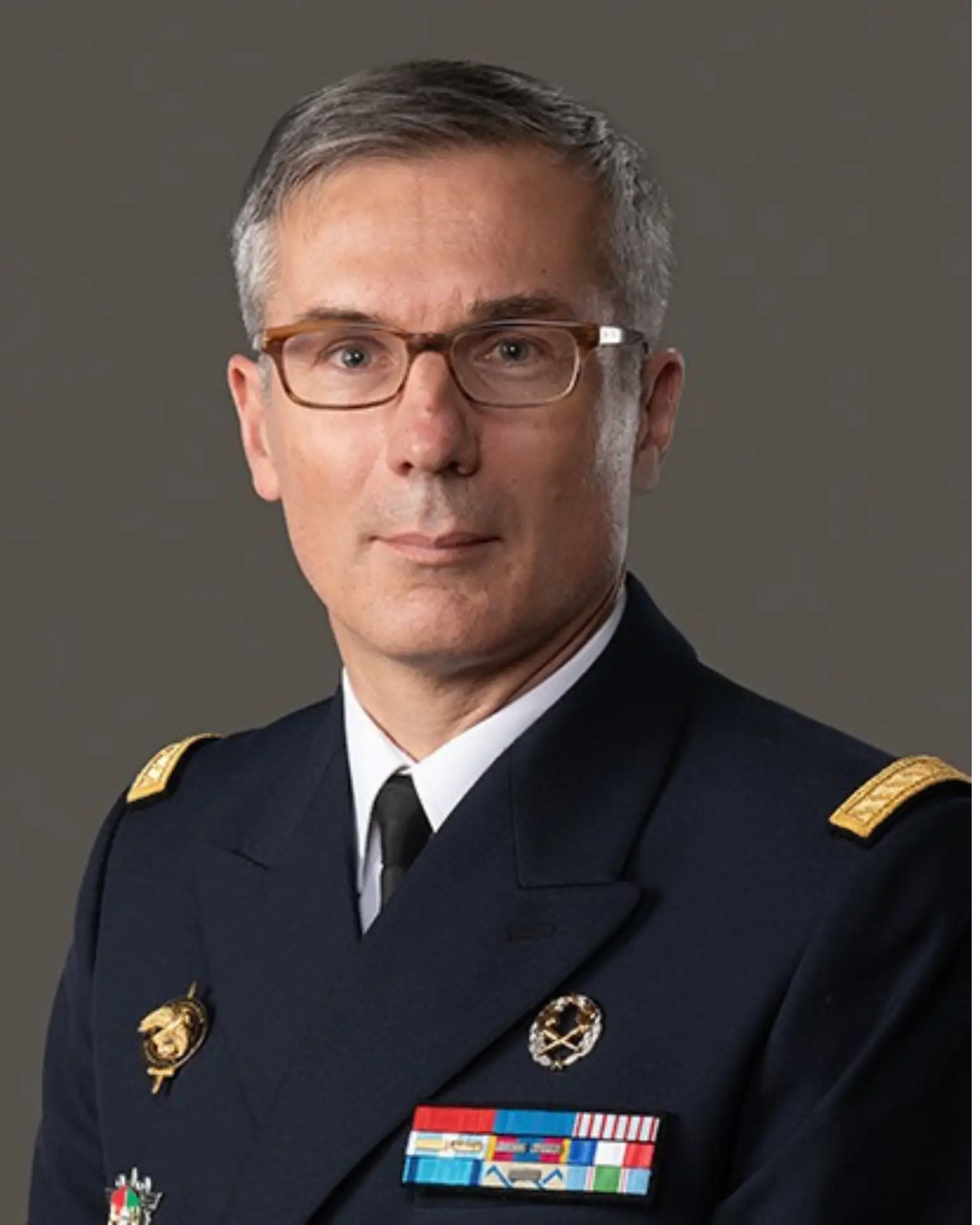
Colonel Hugues GAULTIER de la FERRIERE is a senior French military officer with extensive expertise in the energy sector.
From 2001 to 2026, he served in the Operational Energy Service (Service de l'énergie opérationnelle, or SEO), holding various leadership roles in military fuel logistics and deploying operationally to the Ivory Coast (2004) and Lebanon (2006). His tenure included an assignment as the French representative to the NATO Petroleum Committee and the Central Europe Pipeline System (CEPS) Program Board.
Earlier in his career, from 1996 to 2001, he served with the Paris Fire Brigade (BSPP).
He holds an Engineering degree from the École Spéciale Militaire de Saint-Cyr and a Master of Science from the IFP School.
Mr. Martin Aarnaes is Head of Outreach and Engagement at the NATO Climate Change and Security Centre of Excellence (CCASCOE) in Montréal, Canada. Mr. Aarnaes is the Norwegian representative at CCASCOE and is seconded by the Royal Norwegian Ministry of Defence.
As a defence and security professional he has broad national and international experience from the Royal Norwegian Ministry of Defence, The Norwegian Armed Forces, Royal Norwegian Ministry of Foreign Affairs, and with NATO and the United Nations.
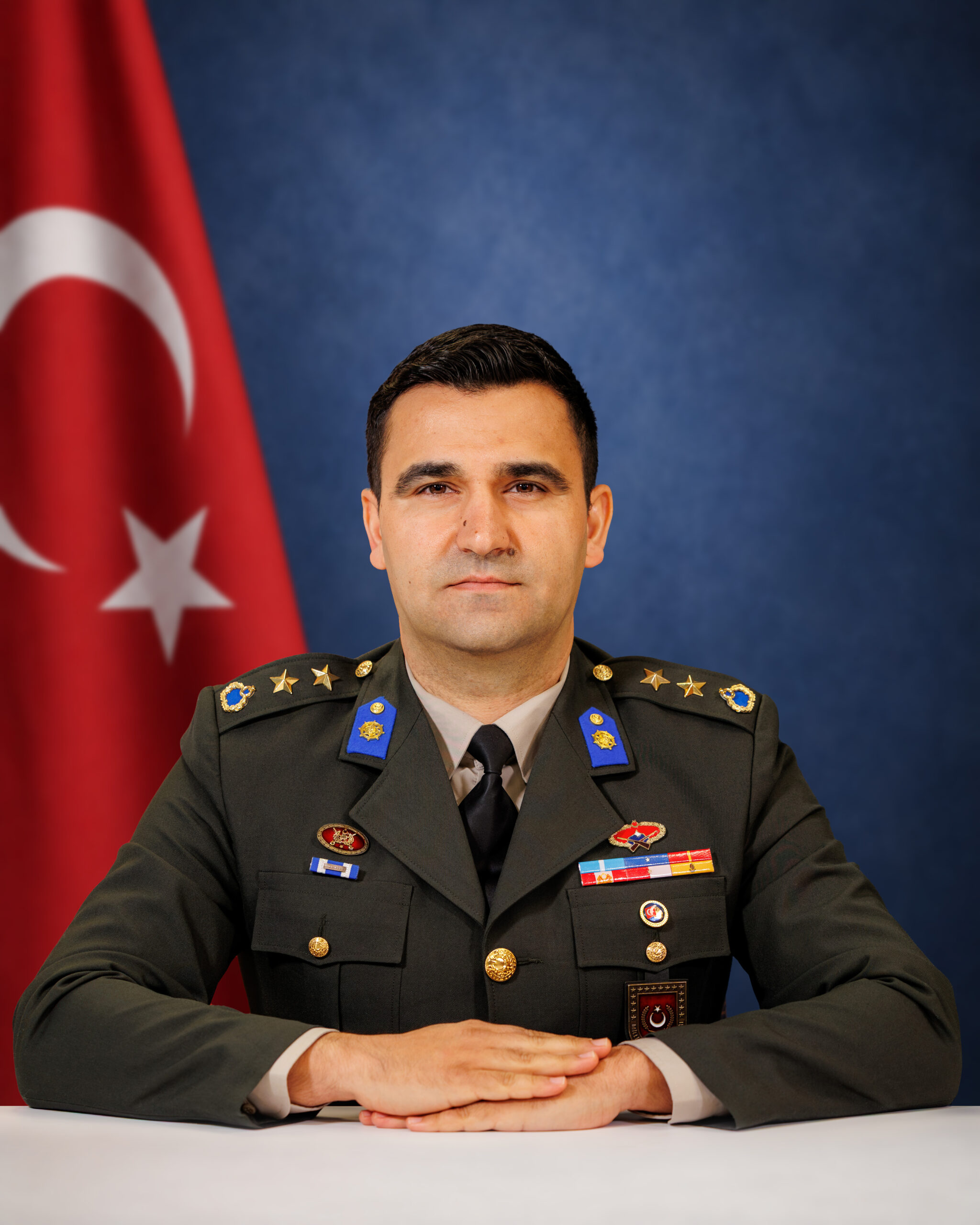
Lieutenant Colonel Buğrahan Çelik graduated from Turkish Military Academy with the rank of Second Lieutenant in 2011 and Army Transportation School in 2012. Having served in Erzurum, Ankara, and Şırnak as Transportation Platoon and Company Commander at various units: he graduated from Army War College Headquarters Officer Course in 2021.
Following this qualification, he was assigned to the Turkish Land Forces Command and later to the Ministry of National Defence, where he served as a Logistics Plan Officer.
In addition to his national assignments, Lieutenant Colonel Çelik has participated in several international missions, activities and professional engagements in Nakhchivan, the Republic of Korea, Iraq, Germany, and Belgium.
He has a master’s degree in the field of Operations Research. His academic works focus on hybrid warfare, subterranean operations, and multi-criteria decision-making methodologies.
He is currently serving as the representative of Republic of Turkiye to the NATO Climate Change and Security Centre of Excellence (CCASCOE), where he heads the Education and Training Branch.
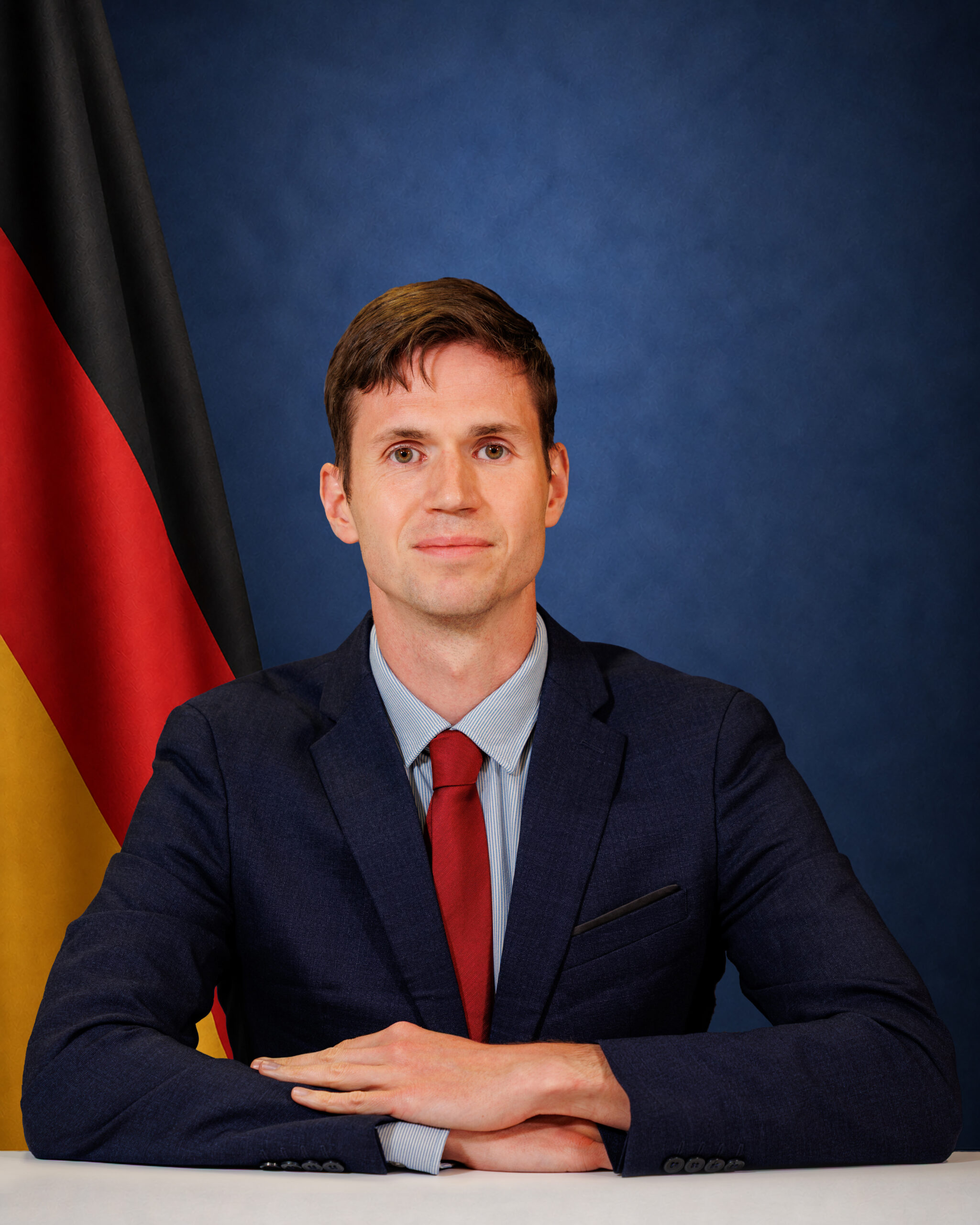
Raik Drescher is an armament engineer for the German Armed Forces, currently serving as the Head of the Research, Analysis, and Lessons Learned (RALL) Branch at CCASCOE.
In his previous assignment at the Combined Project Team (CPT) in Paris, he was responsible for developing a sixth-generation fighter jet engine within the scope of the Next Generation Weapon System (NGWS). A graduate of the University of the Bundeswehr, Raik holds a Master of Science in Aerospace Engineering, as well as Bachelor’s degrees in Mathematical Engineering and Business Informatics.
Prior to becoming an armament engineer, he served as an active-duty Army officer in the German Armed Forces, which included a deployment to EUTM Mali as a Strategic Advisor. Raik has spent most of his career working in multinational environments and uniquely bridges tactical military experience with a precision-driven engineering mindset.
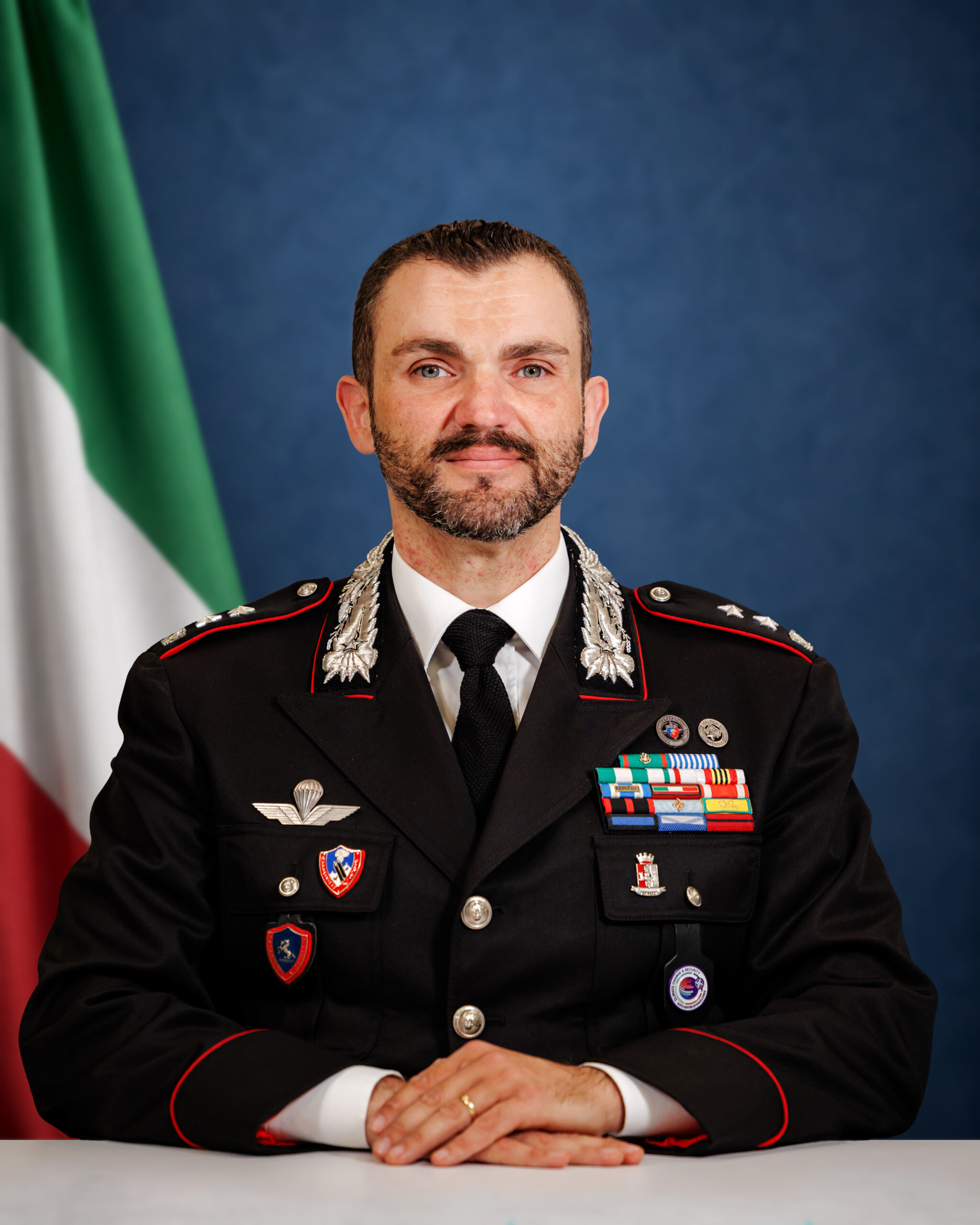
Lieutenant Colonel Gianfranco Pino is a senior officer of the Italian Carabinieri, currently serving as the representative of the Italian Defence General Staff at the NATO-accredited Climate Change and Security Centre of Excellence (CCASCOE) in Montréal, where he heads the Standardization, Concept Development and Experimentation Branch.
His professional experience spans more than two decades across territorial command, international operations, complex investigations, counter-organized crime, operational planning and multinational security cooperation.
After joining the Carabinieri in 2004, he attended the NCO School in Velletri before being commissioned as an officer in 2007, following his studies at the Military Academy of Modena and the Carabinieri Officers School in Rome.
He served as a Platoon Leader with NATO KFOR in Kosovo and subsequently held several command appointments in Italy. He commanded the Carabinieri Companies of the town of Villanova d'Asti and of the city of Vibo Valentia, exercising territorial command responsibility over 54 and 18 municipalities respectively, including the personnel and subordinate Carabinieri units operating across those areas.
His investigative career included command of an Investigation Unit in the Province of Palermo and, subsequently, command of the Organized Crime Section of the Carabinieri Special Operations Group (Raggruppamento Operativo Speciale, ROS) in Milan. He later served as Chief of the Operations Section at the Milan Provincial Carabinieri Command, supporting senior leadership in the planning, coordination and oversight of complex operational and security activities. In this role, he also contributed to the initial security planning for the Milano-Cortina 2026 Olympic and Paralympic Winter Games, working with the institutions and organizations involved in shaping the early interagency security framework.
At CCASCOE, Lieutenant Colonel Pino's work focuses on standardization, military doctrine, concept development and experimentation, contributing to the integration of climate change and security considerations into NATO's broader transformation and capability development efforts.
He holds degrees in "Legal Sciences", "Law", and "Domestic and International Security Sciences", as well as postgraduate Master's degrees in "Intelligence" and "Criminology". He also completed advanced studies in Security Studies at LUISS Guido Carli University.
His service has been recognized with several honours and awards, including appointment as Knight of the Order of Merit of the Italian Republic, Knight of the Order of Pope Saint Sylvester, and the NATO Balkans Medal.
Lieutenant Colonel Pino's career combines experience across the tactical, operational and strategic levels. From territorial command and complex investigations to counter-organized crime, operational planning and NATO concept development, his professional path has progressively moved from addressing security challenges in the field to contributing to how emerging risks are understood, anticipated and translated into future security and defence requirements.
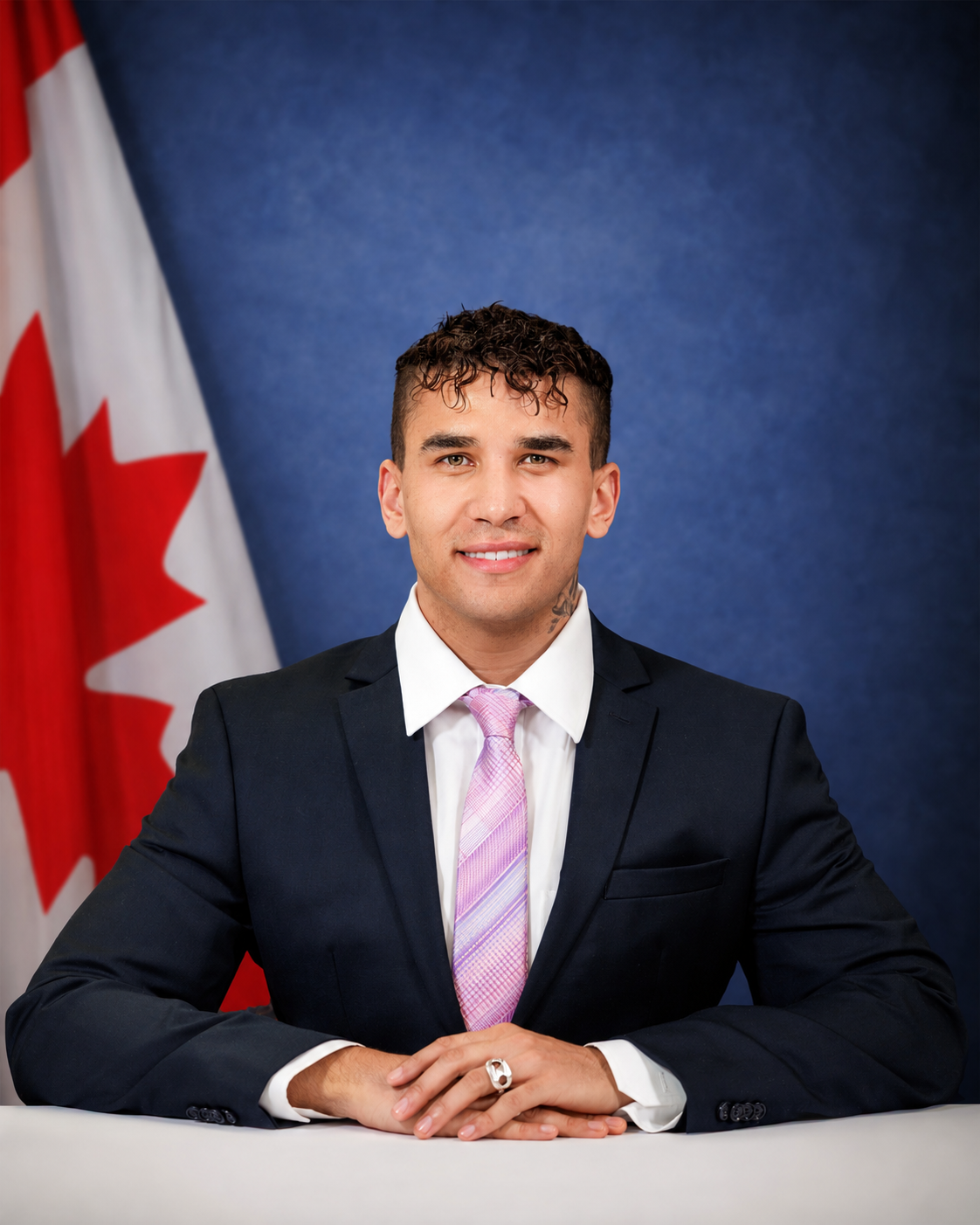
Justin Tynes, Branch Head, Support and Security is from Ottawa, Ontario, and has been with the Government of Canada since 2017. He holds a Bachelor's degree in Public Affairs and Communications from Carleton University.