About Us
Latvian National Guard
Our Vision
CCASCOE aims to be an internationally recognized hub of expertise on climate change and security for military and civilian experts and decision-makers.
We work with governmental and non-governmental organizations, think tanks, academia and industry to stimulate innovative solutions, encourage closer collaboration among NATO Allies and partners and across different types of organizations, gather and
streamline knowledge and expertise in one dedicated hub, and increase the awareness of decision-makers and the broader public on the pressing need of taking concrete actions to preserve Allied security.
To learn more about NATO-accredited Centres of Excellence, read the Centres of Excellence Catalogue for 2024.
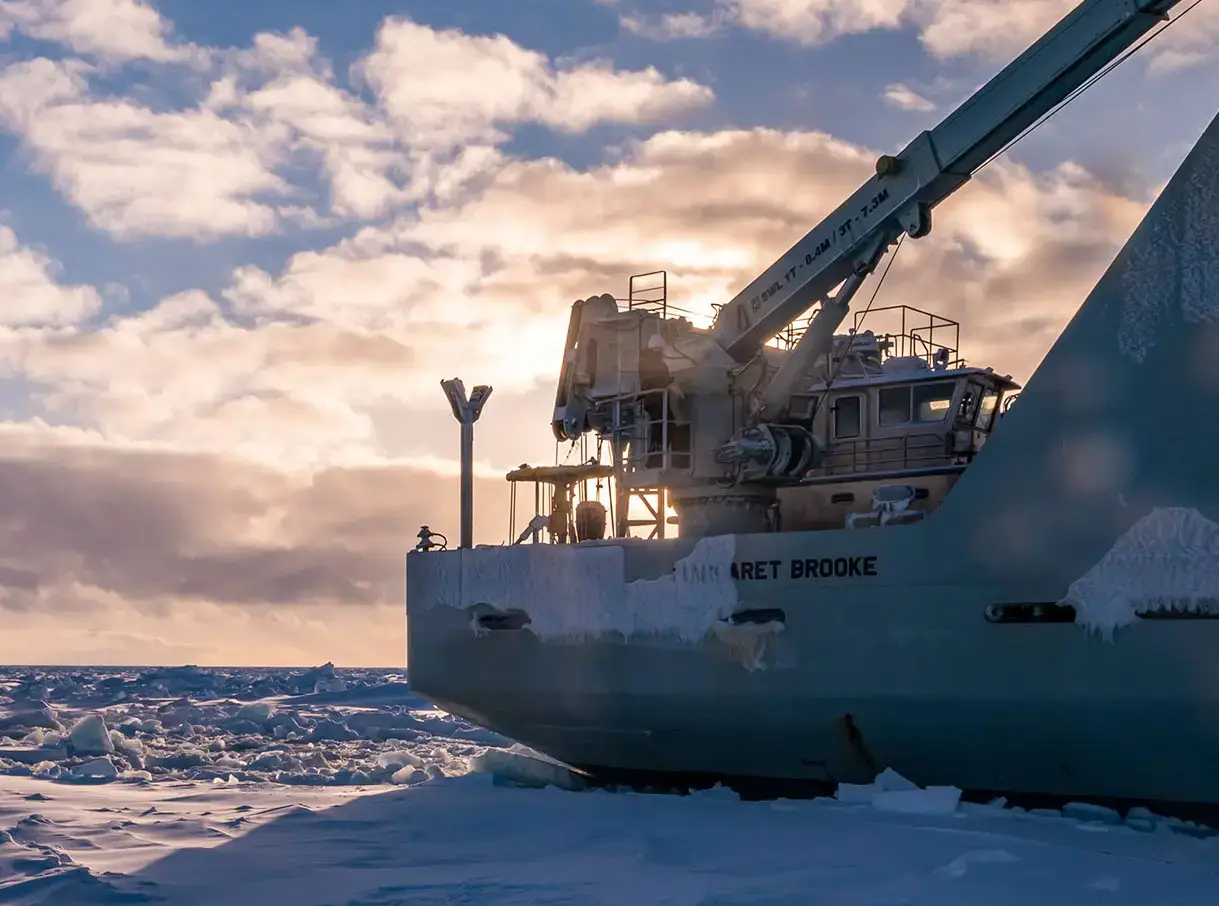
Cpl Hugo Montpetit / Canadian Armed Forces
Our Mission
The CCASCOE’s efforts support the implementation of the NATO Climate Change and Security Action Plan and contribute to NATO’s overall military readiness, deterrence and defence posture. To achieve this, we work on four fronts:
- Increasing Allied awareness of the security implications of climate change
- Adapting to the impact of climate change across NATO and beyond
- Mitigating NATO’s impact on climate change while preserving and strengthening our military effectiveness and interoperability
- Conducting outreach and strengthening cooperation with a wide range of stakeholders.
If you are interested in supporting us in our mission, we will be pleased to hear from you. There are many ways that we can collaborate to increase our common security in the face of the challenges that will be brought by climate change and to mitigate our own impact.
Signing Ceremony for the CCASCOE at the 2023 NATO Vilnius Summit
How We Support the NATO Climate Change and Security Action Plan
Discover how the CCASCOE addresses climate and security across awareness, adaptation, mitigation, and outreach by clicking through to our pillars infographic.
Note: The interactive version is not available on mobile devices.
Publication
The purpose of this publication is to celebrate the establishment of the NATO Climate Change and Security Centre of Excellence, highlighting its mission to advance understanding and action on climate-related security challenges.
History
Corporal Alisa Strelley, Canadian Armed Forces Photo
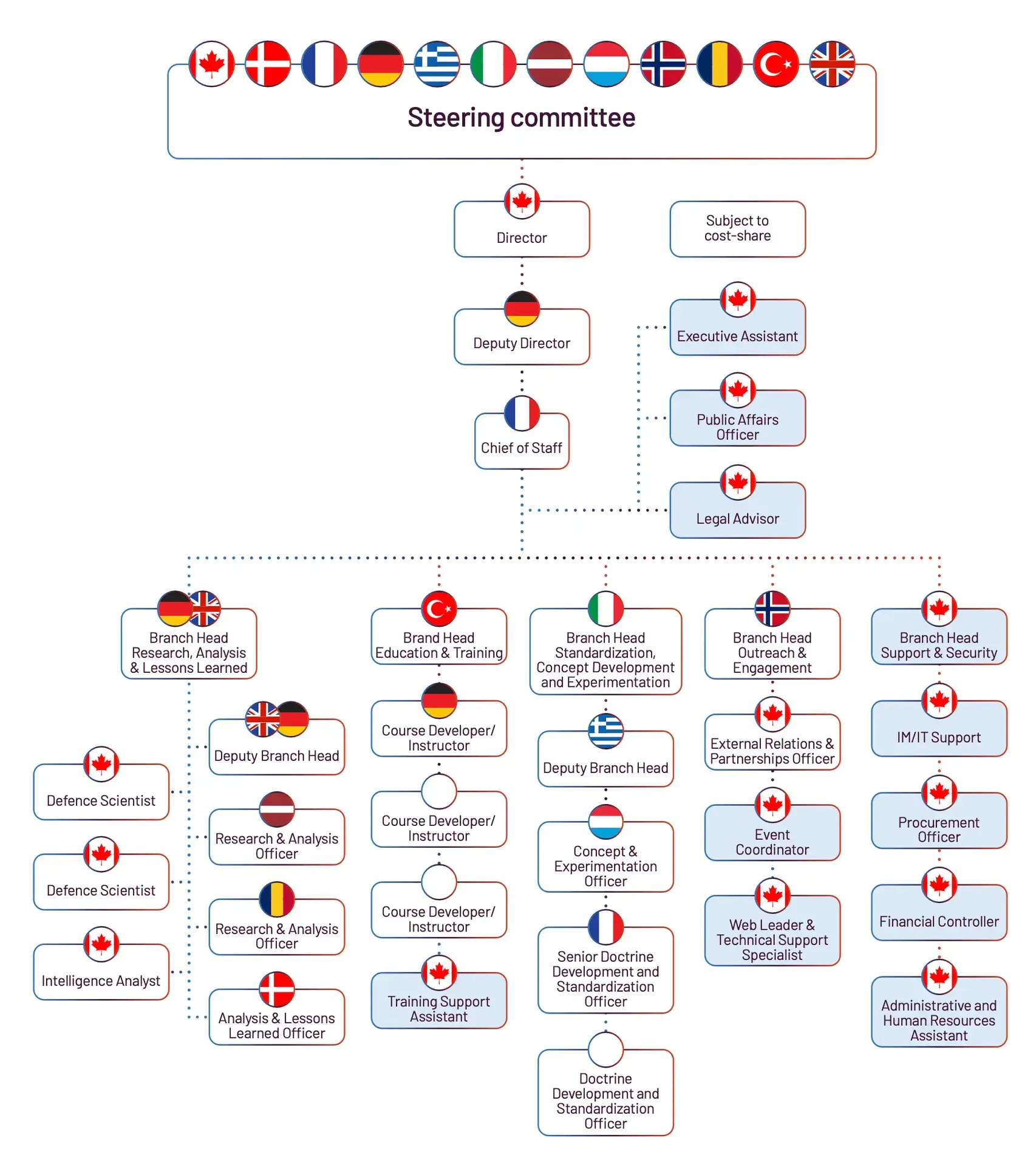
At the NATO Summit in Brussels in 2021, Allies adopted the NATO Climate Change and Security Action Plan, recognizing that climate change is one of the defining challenges of our times. In response to one of the recommendations of this Plan, 12 NATO Allies came together to establish the Climate Change and Security Centre of Excellence (CCASCOE). Canada, the framework nation, was joined in this effort by the sponsoring nations Denmark, France, Germany, Greece, Italy, Latvia, Luxembourg, Norway, Romania, Türkiye and the United Kingdom. Representatives of each nation signed the founding document at the NATO Summit in Vilnius in July 2023 and the Centre opened in Montreal, Quebec, in the fall of the same year. On 28 May 2024, CCASCOE was formally accreditated as a NATO Centre of Excellence, officially joining the family of 30 NATO Centres of Excellence across the Alliance.
Climate change will have severe impacts on Allied security and collective defence. It acts as a threat multiplier by increasing instability, geostrategic competition, insecurity and conflict. The resilience and efficiency of our military infrastructure and equipment and the way that we conduct operations will be affected by changes in climate that include extreme temperatures, changes in water acidity, air density, and Atlantic Meridional Overturning Circulation (AMOC), thawing permafrost, sea level rise, changes in precipitation patterns, and extreme weather events. In addition, drought, flood, soil erosion and loss of biodiversity already severyly impact populations in some regions of the world, particularly in the global south, and cause famine and loss of land and livelihoods and intensify forced migration. This insecurity can also increase social and political instability and create a breeding ground for terrorism.
Leadership
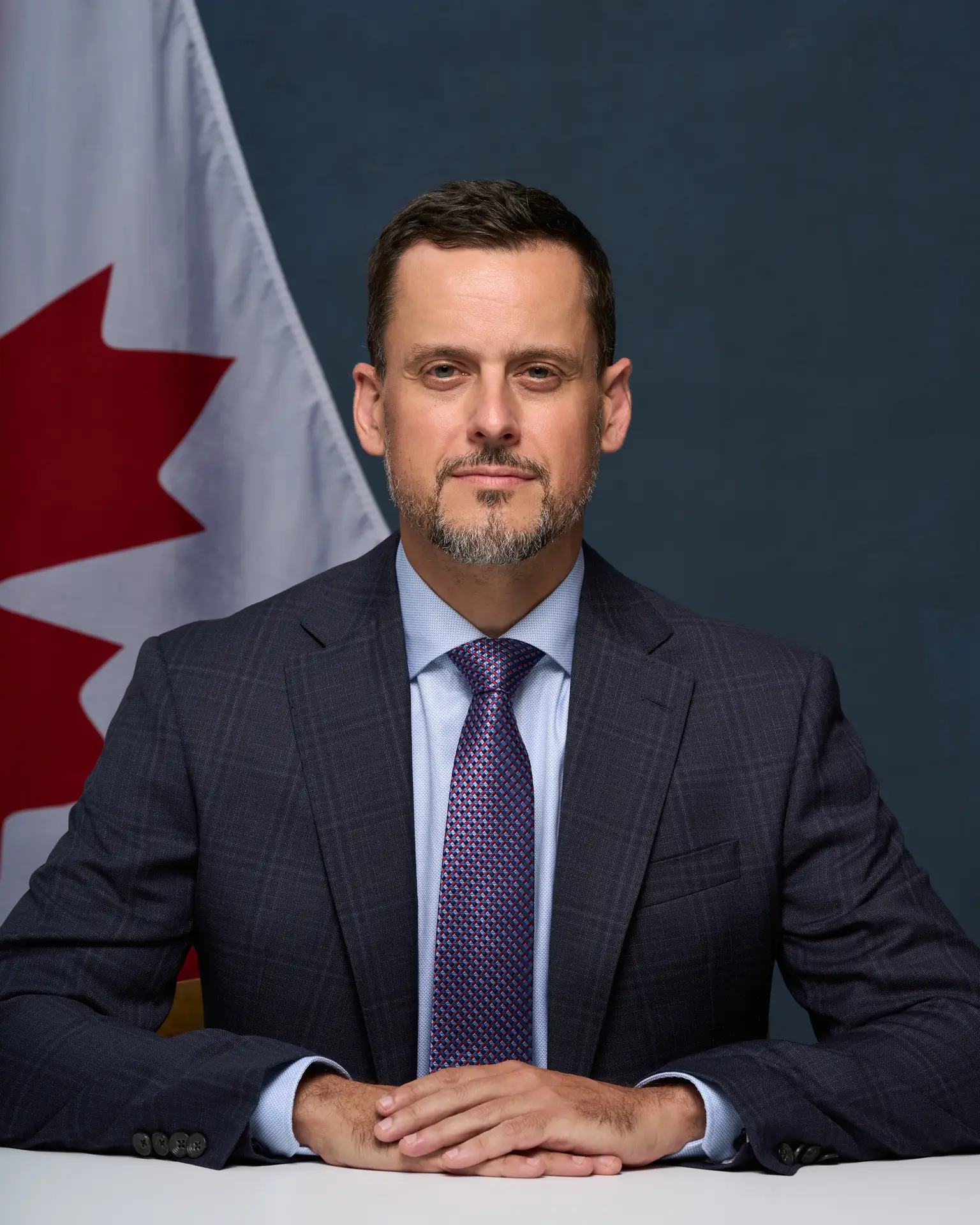
Mathieu Bussières
Director
Mr. Mathieu Bussières joined the Canadian Department of National Defence in 2004.
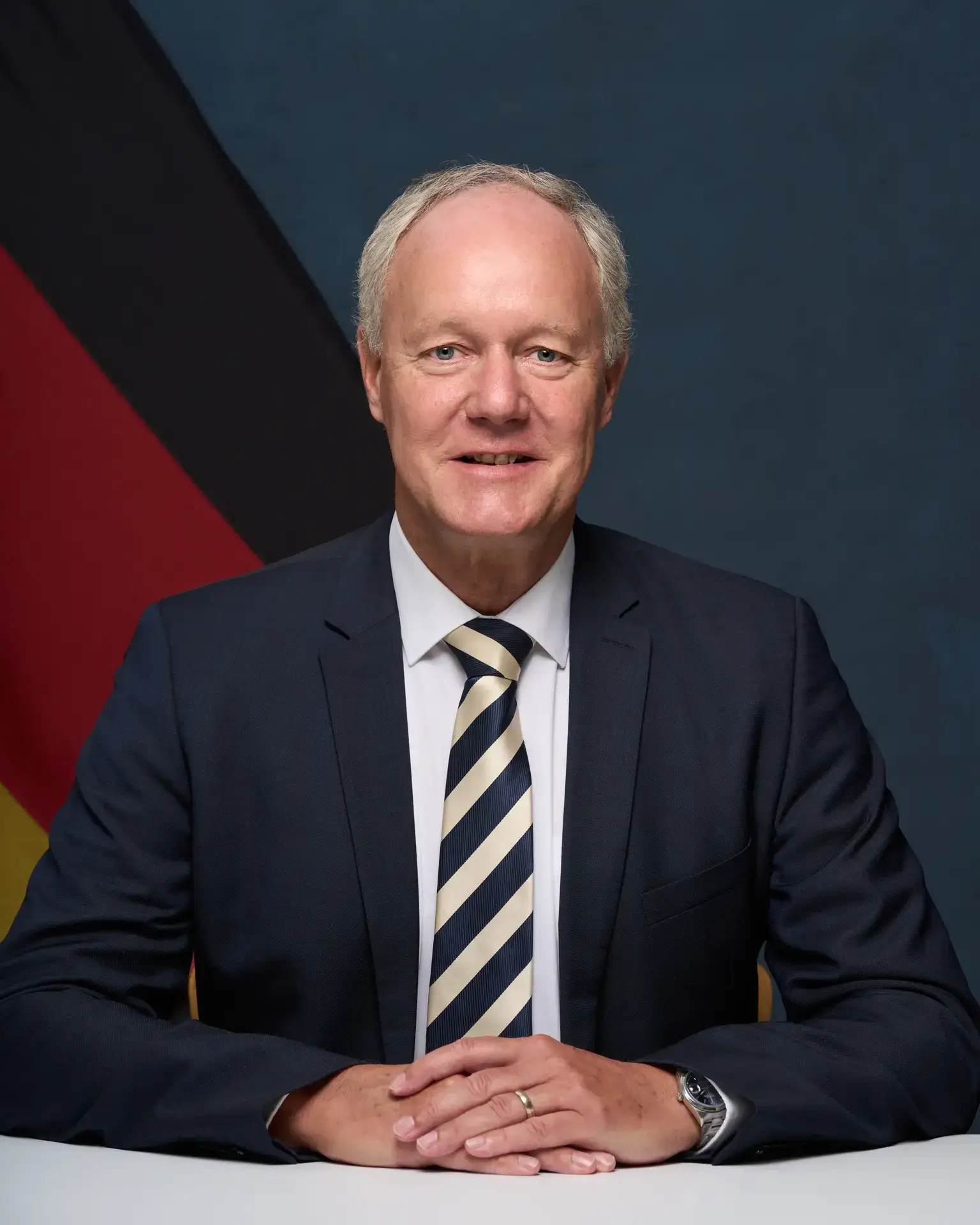
Dr. Ulrich Seidenberger
Deputy Director
Dr. Seidenberger has been appointed by the German Federal President as German Ambassador for the Climate and Security Nexus.
François Tinjod
Chief of Staff
Colonel Francois Tinjod has been serving in the French Forces for more than 34 years.
Branch Heads
Contact us.
For more information about our work or if you want to collaborate, please contact us.