The NATO Climate Change and Security Centre of Excellence (CCASCOE) successfully concluded the first official Climate Security and Defence Course, held from 20–23 May 2025 at the RMCC Royal Military College of Canada/Collège militaire royal du Canada in Québec.
This course marked a significant milestone for CCASCOE as the inaugural training programme designed to equip military and civilian professionals with the knowledge and tools to integrate climate security into defence planning and operations.
A Diverse and Global Participation
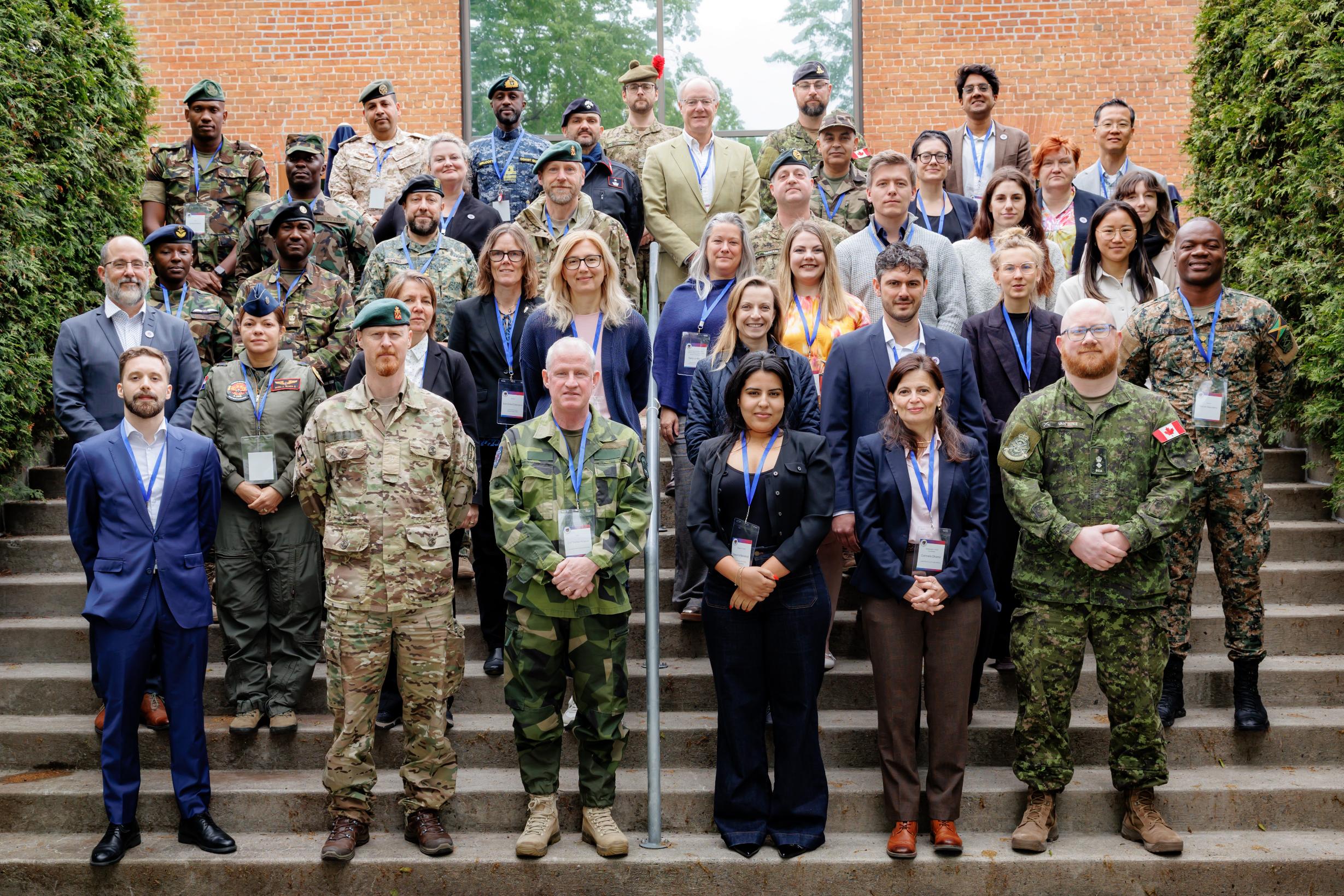
The course brought together 35 participants from across 10 NATO member states and 7 of the Centre’s 12 Sponsoring Nations. Attendees included:
- Armed forces personnel
- Officials from ministries of defence and foreign affairs
- Representatives of international organisations and think tanks
- Advisors from a prime minister’s office
Participants represented all five continents, with perspectives from climate-vulnerable regions such as the Caribbean, the Middle East, and North and West Africa, ensuring a broad and inclusive dialogue on global security challenges.
Course Content and Approach
Over four intensive days, the programme combined academic expertise with practical exercises to bridge the gap between climate science and defence operations. The curriculum included:
- Foundations of climate science.
- International politics – governance.
- Climate change and security.
- Climate change and defence – adaptation, mitigation, and foresight into the future of warfare
Interactive scenario-based wargaming ran throughout the course, allowing participants to apply insights in simulated crisis environments and to test decision-making under climate-driven pressures.
Building NATO’s Climate Security Capacity
The launch of this course reflects CCASCOE’s mission to strengthen NATO’s readiness and resilience in the face of climate change. By combining scientific expertise, policy analysis, and operational foresight, the Centre is building the foundations for future capacity-building and training programmes.
Speaking at the closing session, CCASCOE Director Mathieu Bussières highlighted the importance of this initiative:
“This course demonstrates how NATO and its partners can prepare for the security challenges of tomorrow by integrating climate considerations into defence strategies today.”
Looking Ahead
The success of the Climate Security and Defence Course paves the way for expanded course offerings in the coming years, reinforcing NATO’s commitment to climate adaptation, mitigation, and resilience.