
In Canada’s North, some of the most important infrastructure is built on something that is disappearing. Winter roads depend on reliable ice. Runways, ports and buildings depend on frozen ground staying frozen. As the climate shifts, the assumptions behind these structures are shifting with it, and so are the risks for the communities, industries and defence operations that rely on them.
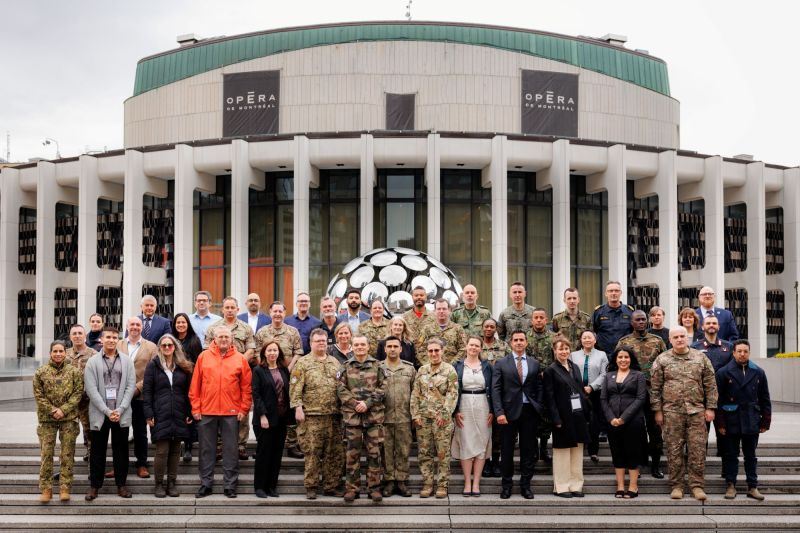
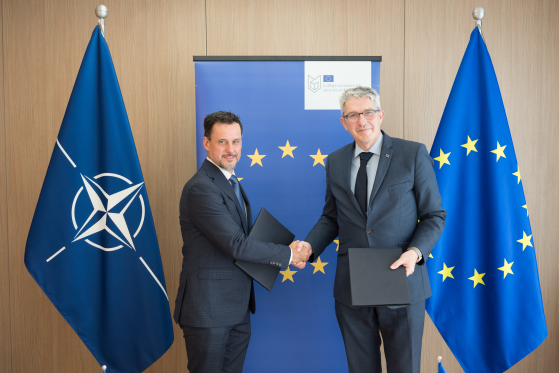
To help meet that challenge, CCASCOE and Institut AdapT of the École de technologie supérieure (ÉTS) have launched the AdapT-CCASCOE Research Chair, dedicated to the resilience of critical infrastructure in Canada’s North. The Chair was announced on Oct. 14, 2026 in Montreal during Northern Resilience and Infrastructure, a day hosted by Institut AdapT in collaboration with CCASCOE, which brought together researchers, engineers, northern community representatives, industry and defence experts.
A new chair for northern resilience
From permafrost to policy
The day’s discussions focused on the pressures already reshaping the North: thawing permafrost, coastal erosion, extreme weather and the need to keep essential services and operations running when conditions change faster than designs anticipated.
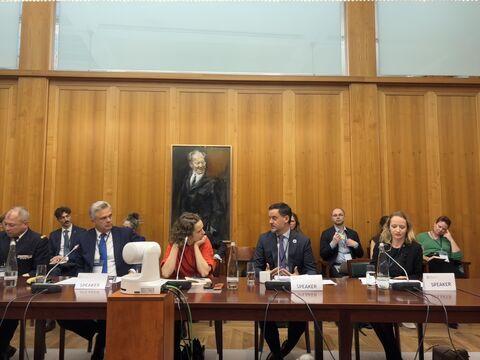
A panel moderated by Steven Guilbeault brought together Sébastien Desrochers, Adamie Delisle Alaku, Pascale Roy-Léveillée and Elise Godin, offering perspectives from the Société du Plan Nord, Makivvik, Université Laval and the Department of National Defence. Hearing northern, scientific, economic and defence viewpoints side by side made one point clear: no single sector can solve this alone.
Participants then worked through four thematic workshops:
- Coastal infrastructure and maritime operations
- Civil security and collaboration with communities
- Energy transition and defence planning
- Infrastructure in permafrost regions
A European perspective came from Tony Agotha, Ambassador-at-Large and Special Envoy for Climate and Energy Security at the European External Action Service, who placed Canada’s northern challenges within a wider Allied and international picture. The day closed with a talk on climate disinformation – a reminder that resilience also depends on the quality of the information decision-makers and the public rely on.
Call for applications now open
The call for the AdapT-CCASCOE Research Chair is open to interdisciplinary teams of at least two co-holders from Quebec universities, including at least one from ÉTS. Applications close on Jan. 29 January , 2027.
Full details and application: institutadapt.ca